Energy Gels vs Chews vs Drink Mixes: Which Is Right For You?
-
Energy gels are fast-absorbing, portable, and provide precise carbohydrate dosing - ideal for structured fuelling during marathons and other endurance events.
-
Energy chews take longer to consume but offer a more food-like texture, reducing flavour fatigue on long runs or ultras.
-
Drink mixes deliver carbohydrates and electrolytes with water, supporting hydration while fuelling - perfect when carrying multiple gels isn’t practical.
-
Combination fuelling is common among experienced athletes, using gels, chews, and drink mixes strategically to hit carbohydrate targets and manage gut comfort.
-
No single format fits all - personal preference, sport type, intensity, and gut tolerance should guide fuelling choices.
Picture a runner scrolling through a sports nutrition website, pausing over three different sections: energy gels, chews, and tubs of drink mix. Each promises fast, reliable fuel, but it’s hard to decipher how they differ or which format suits your body, your gut, and your race.
This article cuts through the marketing and provides a practical, evidence-informed comparison of energy gels vs chews vs drink mix. We'll explore how each format delivers carbohydrates, how they act in your gut, and which scenarios they’re best suited for, from short high-intensity sessions to marathon-long endurance efforts.
Importantly, many experienced athletes don’t stick to just one format. A combination approach, using energy gels, chews, and drink mixes strategically throughout training or race day, can optimise energy availability, reduce flavour fatigue, and improve overall gut tolerance. This guide helps you decide what to practise in training so you’re confident on race day.
Importantly, most experienced athletes don’t rely on a single format. Combining gels or chews with a drink mix not only optimises carbohydrate delivery but also supports hydration, a key factor for performance and gut comfort. Using these formats strategically throughout training and race day can maintain steady energy, reduce flavour fatigue, and improve overall gut tolerance. Practising this combination in training ensures you know what works for your body, so you can fuel confidently on race day.
Quick Answer: Energy Gels vs Chews vs Drink Mixes
Energy gels→ Fast-absorbing, portable, and deliver precise carbohydrates. Ideal for shorter bursts or structured fuelling windows.
Energy chews→ Slower to consume with a more food-like texture. Best for longer, lower-intensity efforts, cycling or when flavour fatigue becomes an issue.
Drink mixes→ Combine carbohydrates and electrolytes with water, making an ideal hydration solution while fuelling. Perfect when using a bottle or hydration pack, or if solid fuels cause gut discomfort.
Combination approach→ Most runners benefit from using gels for precision fuelling, chews for variety, and drink mixes as background carbohydrate delivery to support hydration and steady energy.
Energy Gels Explained
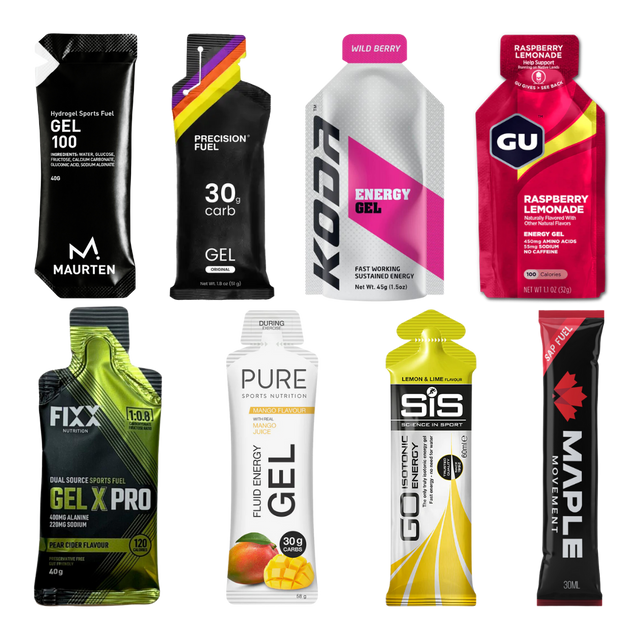
Energy gels are concentrated carbohydrate solutions, typically providing 20-40g of carbohydrate per single-serve sachet. Their liquid or semi-liquid format means they are rapidly absorbed, requiring minimal digestion, which makes them a reliable choice for sustaining energy during long or intense exercise.
Most gels use a combination of maltodextrin and fructose in a 2:1 or 1:0.8 ratio, taking advantage of dual-transporter absorption to maximise carbohydrate delivery and oxidation. The primary advantage of gels is practicality and precision, you know exactly how many grams of carbohydrate you are consuming at each fuelling point, which is ideal for structured race-day strategies.
However, some runners report that the sweetness can become unpleasant after multiple servings, a phenomenon known as flavour fatigue. Gastrointestinal comfort is also an important consideration: standard gels require water to aid absorption, and taking them dry can increase the risk of GI distress.
Gels range from isotonic, which require minimal water, to hypertonic, which need more fluid to be tolerated comfortably. For runners prone to gut issues, hydrogel gels, low FODMAP gels or gels made on more natural ingredients may offer a GI-friendly alternative, providing sustained carbohydrate delivery with reduced stomach discomfort.
Energy gels are best suited for runners, cyclists, swimmers, Hybrid athletes and triathletes who require precise, timed fuelling over 90 minutes or more.
Energy Chews Explained
Energy chews are bite-sized, chewy pieces of carbohydrate, typically provided in 2-5 chew servings containing roughly 3-15g of carbohydrate each. Unlike gels, chews require chewing and increased saliva production, which slows gastric transit and absorption slightly. Carbohydrate sources are similar to gels, usually glucose/ maltodextrin and fructose blends, providing dual-transporter carbohydrate delivery.
The main advantage of chews is their more food-like texture, which helps reduce flavour monotony during long events. This makes them a preferred option for athletes who struggle with the thick, sweet consistency of gels. Chews can also contain sodium or electrolytes, though content varies by brand.
Key limitations include the need to chew while exercising, which can be challenging at higher intensities, and less precise dosing mid-effort compared with gels. To match the carbohydrate content of a single gel, many chews are required, making them better suited to steadier-paced activities such as slower running or cycling, or as a pre-race energy boost where controlled breathing allows comfortable chewing.
Practical applications include pre-race carb top up, long trail runs, ultras, cycling or lower-intensity events, and they are especially useful for athletes experiencing gel flavour fatigue. While slightly slower to absorb, chews provide a convenient and more palatable alternative for carbohydrate delivery over prolonged efforts, complementing other fuel formats such as gels or drink mixes.
Drink Mixes Explained
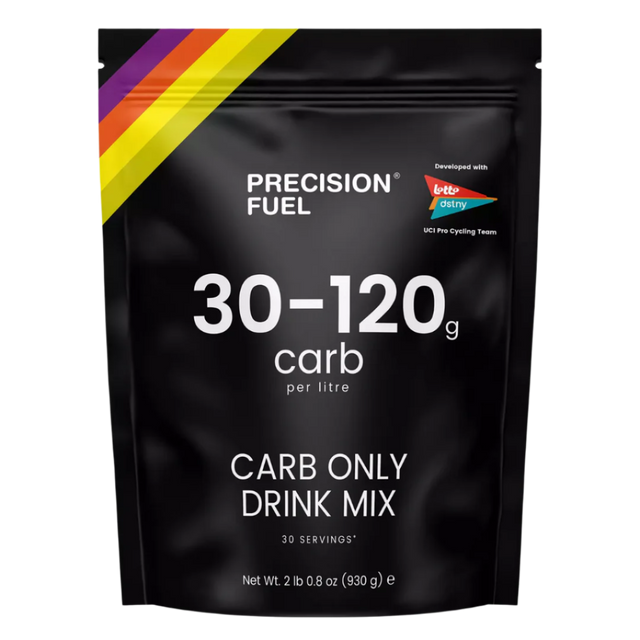
Drink mixes are powdered or liquid carbohydrate supplements designed to be mixed with water in a bottle or hydration pack, providing both carbohydrates and hydration simultaneously. Carbohydrate content varies by product, typically ranging from 15 g to 100g+ per serve.
The key advantage of drink mixes is their flexibility: they can serve as your primary energy source, delivering significant carbohydrate alongside hydration, or you can choose a lower-carbohydrate mix to focus on fluid and electrolyte replacement while still providing some readily available fuel. High-carbohydrate mixes support sustained energy and can meet hourly targets of 60-90g without multiple gel sachets, while lower-carbohydrate options keep you hydrated and comfortable during long sessions or hot conditions. This adaptability makes drink mixes a practical choice for athletes managing both fuelling and hydration needs simultaneously.
Limitations include the need to plan when and how to carry fluid, making them less practical on race courses without personal aid stations. Osmolality is also important: isotonic mixes are absorbed most efficiently, while hypertonic mixes, which are very concentrated, can slow absorption and increase GI discomfort.
Drink mixes are particularly well-suited for cyclists, trail and ultra runners using hydration packs, and triathletes seeking to simplify fuelling strategies by combining carbohydrate and hydration in a single, manageable solution.
Gels vs Chews vs Drink Mixes: At a Glance
|
Format |
Carbs per Serve |
Absorption Speed |
Portability |
GI Friendliness |
Water Required |
Best For |
|
20-40g |
Medium- Fast |
High |
Variable |
Yes |
Precise fuelling, Practical structured timing |
|
|
10-20g per serving |
Medium |
Medium– |
Generally well-tolerated |
Helpful |
Palatability, ultras, pre-race, slower-paced efforts |
|
|
15-100g per bottle |
Medium- Fast |
Low- |
Good if isotonic |
Built in |
Combined carbohydrate + hydration, high-volume sessions |
This quick reference highlights the practical differences between formats. Most athletes use a combination, choosing gels for precision, chews for variety and palatability, and drink mixes for steady carbohydrate delivery alongside hydration.
Which Format Works Best For Your Sport?
Marathon running: Gels are ideal for precision and portability, with drink mixes used at aid stations to maintain hydration and steady carbohydrate delivery.
Cycling: Drink mixes work well for bottle-based fuelling, while chews offer a palatable alternative to gels during lower-intensity rides.
Ultra running / trail racing: Chews and drink mixes help manage flavour fatigue over long durations, with gels used strategically for targeted fuelling windows.
Triathlon: Drink mixes on the bike provide combined carbohydrate and hydration; gels on the run offer simple, portable energy for structured fuelling.
Can You Combine All Three?
Yes, and most experienced athletes do. The goal is to meet your hourly carbohydrate (60-90g) and hydration target using the combination that is most tolerable for your gut. A practical marathon approach could be drink mix in the early kilometres from hand held flask, gels at structured intervals, and chews in the final third when gel fatigue sets in. The key is practising this combination during training, never try a new format on race day.
Ash Miller
Dietitian and Nutritionist (Masters)
Bachelor of Physical and Health Education
Instagram: @ashthomo_nutrition
Ready to build your fuelling strategy? Explore Aid Station’s range of gels, chews, and drink mixes, or ask our in-house dietitian, Ash, on the Ask Ash page, to help you find the combination that works for you.
Disclaimer:
The content in this blog is for general information only and is not a substitute for professional medical advice, diagnosis, or treatment. Always speak with your doctor or allied health team before changing your diet, exercise, or taking supplements, especially if you have a health condition or take medication. Please use this information as a guide only. Aid Station doesn't take responsibility for individual outcomes.