Energy Gels Explained: How To Choose The Right One
Key Takeaways:
-
Marathon runners typically need 3-6 gels across 42.2km to maintain energy and avoid the wall.
-
Choose gels with 30-40g of carbohydrates and a dual-carb (maltodextrin/glucose:fructose) ratio for optimal absorption; high-carb runners may target 80-90g/hour.
-
Caffeine gels are best used around 30 minutes before the start and around 25-30km to support focus and performance in the final third.
-
GI-sensitive runners should favour isotonic or hydrogel formats with lower fructose loads.
-
Always trial your gel, dosage, and timing in 2-3 long training runs before race day to ensure comfort and effectiveness.
Best Energy Gels For Marathon Runners
Running a marathon places unique demands on your body. Over 42.2 kilometres, muscle glycogen stores become progressively depleted, making carbohydrate intake a critical part of race-day performance. Without a structured fuelling plan, many runners experience a significant drop in pace and energy levels, commonly known as "hitting the wall."
Unlike shorter events where nutrition may play a smaller role, marathon success depends on consistently supplying your body with carbohydrates throughout the race. Choosing the right energy gel can make this easier, but with so many options available, from high-carbohydrate gels and caffeine gels to hydrogel and isotonic formats, knowing where to start can be challenging.
This guide will help you identify the best energy gels for marathon runners based on your carbohydrate requirements, caffeine strategy, gastrointestinal tolerance, and race experience. We've also included guidance for half marathon runners racing between 1:30 and 2:30 who want to optimise their fuelling approach.
Best Energy Gels For Marathon Runners
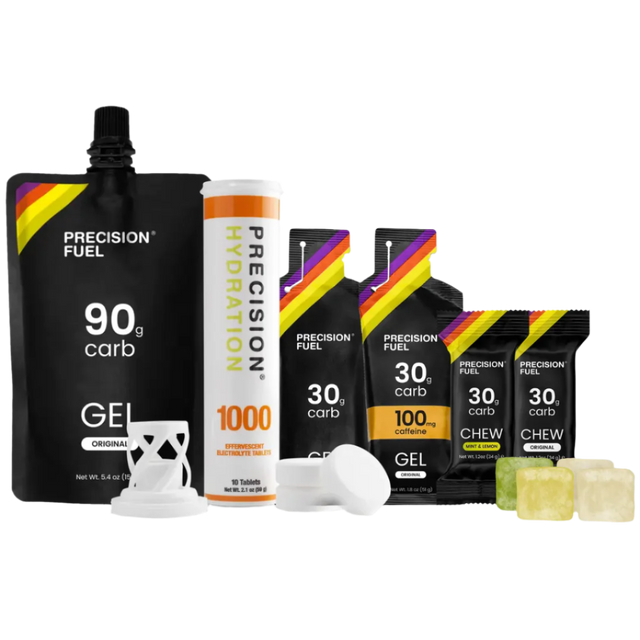
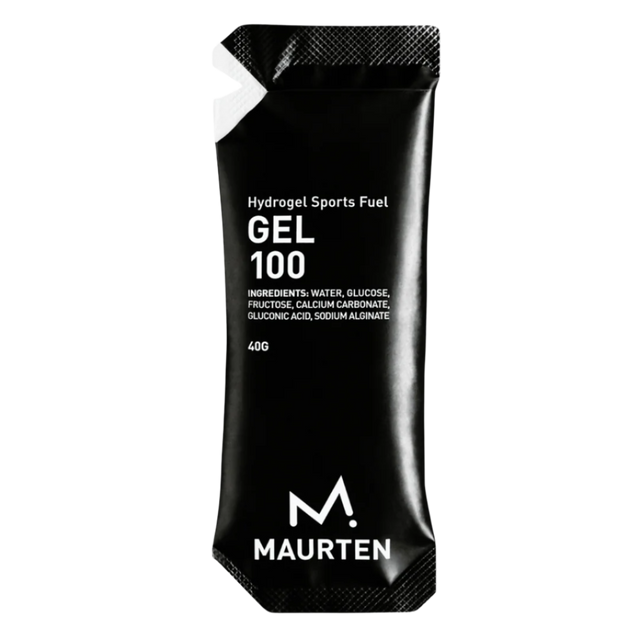
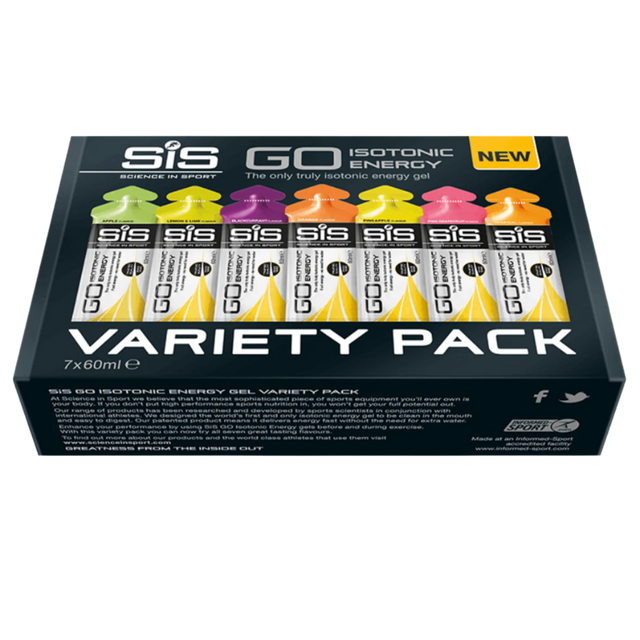
For most marathon runners, the ideal gel provides 25-40g of carbohydrates with a 2:1 maltodextrin-to-fructose ratio, taken every 30-45 minutes from approximately 10-15km onwards. Runners with a sensitive stomach may benefit from natural gels such as SAP Good Energy Gel, isotonic gels, such as SiS GO Isotonic, or hydrogel options like Maurten Gel 100. If you're targeting high carbohydrate intakes of 80-90g per hour, products such as Precision Fuel PF 90 or Maurten Gel 160 can help meet fuelling goals more efficiently. Caffeine gels are typically best taken 20-30 mins before race start or around 20-25km to support focus and performance in the final stages. For half marathons, most runners require just 1-3 gels, with gut comfort and palatability being key considerations.
What Makes A Great Marathon Gel?
The best energy gel for marathon runners is not necessarily the most popular brand, it's the one that helps you consistently meet your carbohydrate targets while remaining easy to tolerate at race pace. Most marathon runners should look for gels providing 25-40g of carbohydrates per serve, making it easier to achieve the recommended 60-90g of carbohydrate per hour with a carb/electrolyte drink mix to support hydration.
The carbohydrate blend also matters. Gels containing a 2:1 or 1:0.8 maltodextrin-to-fructose ratio can utilise multiple intestinal transporters, supporting higher carbohydrate absorption rates during prolonged exercise. Gastrointestinal tolerance is equally important, particularly as blood flow to the gut decreases during harder efforts. Gels made on more natural ingredients, that are Isotonic or have a hydrogel technology are often preferred by runners who experience stomach discomfort. A well-planned marathon strategy will typically combine both caffeine and non-caffeine gels, while also considering flavour and texture variety to minimise flavour fatigue after consuming multiple gels across 42.2 kilometres.
Best Energy Gels For Marathon Runners By Category
Best for General Marathon Fuelling
Faster runners aiming to sustain sub-3:30 pace or higher intensities benefit from gels providing 30-40g or more of carbohydrates per serve. Strong dual-transporter ratios, such as maltodextrin-to-fructose blends, help meet elevated glycogen demands while limiting gastrointestinal issues. Precision PF 30 Energy Gel and Näak Boost Energy Gel are well-suited for this approach, allowing runners to hit 60-90g/hour targets without excessive sachet intake.
Best for GI-Sensitive Marathon Runners
Runners prone to cramping, nausea, or bloating require gentler gels. Isotonic or hydrogel formulations, lower fructose loads, and minimal artificial sweeteners reduce gut stress at race pace. Options like SiS GO Isotonic, Maurten Gel 100, and Sap Good Energy Gel offer carbohydrate delivery without upsetting the stomach, making them ideal for sensitive runners.
Best Caffeine Gels for Marathon Runners
Caffeine gels are best suited to runners who want to incorporate caffeine strategically into their marathon fuelling plan. Rather than waiting until fatigue has already set in, many runners benefit from consuming a caffeine gel approximately 30 minutes before the race start to elevate caffeine levels early. Depending on total caffeine intake and race duration, a second caffeine gel may be useful around the 30km mark to help maintain focus, reduce perceived effort, and support performance during the latter stages of the marathon. Look for gels providing 100-200mg of caffeine alongside a carbohydrate base that you have already tested in training. Popular options include Science In Sport (SIS) Beta Fuel Energy Gel + Nootropics, Maurten Gel 100 CAF 100, and Styrkr Gel30 Dual-Carb Energy Gel Caffeine+.
Best Energy Gels for Half Marathon Runners
Half marathon runners have different fuelling needs compared with full marathoners. With race durations typically between 1:30 and 2:30, only 1-3 gels are generally required. Fewer servings mean that palatability and ease of use are more important than maximising carbohydrate efficiency. Runners aiming to finish under 1:45 may benefit from a single caffeine gel taken 30 minutes before the start or around the 45-minute mark to support focus and performance. For runners targeting 1:45-2:30, 2-3 gels spaced at 30-45 minute intervals from approximately 5km can maintain energy without overloading the gut. Isotonic gels are particularly well-suited for half marathons, as they require no extra water and their lower osmolality is gentler at high effort. The half marathon is also an excellent opportunity to trial gel strategies, flavour preferences, and timing before committing to a full marathon, helping to refine your fuelling plan for longer distances.
How To Build Your Marathon Gel Strategy
Start by calculating your hourly carbohydrate target, typically 60g for most runners, or 80-90g for faster athletes. Work backwards from your goal finish time to determine how many gels you’ll need (How Many Gels Do You Need for a Marathon). Schedule gels every 30-45 minutes from 10-15km, rather than waiting until fatigue sets in. Place caffeine gels 30 mins before the start, with an optional second dose at the 35km mark if caffeine sits well with you. Always trial your chosen gels, serving sizes, and timing in at least 2-3 long training runs to ensure tolerance and refine your race-day fuelling plan.
Find Your Marathon Gel
The best marathon gel is the one your gut tolerates, your taste buds enjoy, and your fuelling strategy requires. Begin with a gel that matches your hourly carbohydrate target and GI sensitivity, then practise it consistently in long training runs to ensure comfort and effectiveness on race day.
Ready to fuel your next marathon? Browse Aid Station’s full gel range, from Maurten hydrogels to SIS caffeine gels, and build a race-day nutrition plan that works for you.
Ash Miller
Dietitian and Nutritionist (Masters)
Bachelor of Physical and Health Education
Instagram: @ashthomo_nutrition
Disclaimer:
The content in this blog is for general information only and is not a substitute for professional medical advice, diagnosis, or treatment. Always speak with your doctor or allied health team before changing your diet, exercise, or taking supplements, especially if you have a health condition or take medication. Please use this information as a guide only. Aid Station doesn't take responsibility for individual outcomes.