Easter Fuelling for Endurance Athletes
The Easter long weekend often means a disrupted routine, family commitments, and, let’s be honest, more chocolate than usual. But for endurance athletes, it’s also prime time for long runs, stacked training days and social rides. The good news? You don’t need to choose between training well and enjoying Easter. With the right fuelling strategy, chocolate can fit and even support performance. This 2026 Easter Fuel Guide breaks down how to fuel before, during and after training, plus practical Easter-specific scenarios so you can train strong, recover well and still enjoy the long weekend.
Table of Contents
-
How to Fuel Your Easter Training Weekend
-
Pre-Training Fuel - Set Up Your Session
-
During Training - Carbohydrates That Go the Distance
-
Recovery Nutrition - Where Chocolate Earns Its Place
-
Easter Training Scenarios
-
Easter Treats Without Compromising Performance
-
The Takeaway - Train Well, Recover Better, Enjoy Easter
-
Easter Fuel Cheat Sheet
-
Bonus Easter Recipes
How to Fuel Your Easter Training Weekend
Easter often disrupts routine, but maintaining training quality still depends on adequate fuelling. Endurance performance is strongly influenced by carbohydrate availability, hydration, and protein timing¹,². By planning nutrition around training sessions, athletes can optimise performance and recovery while still enjoying Easter foods without compromising their progress.
Pre-Training Fuel - Set Up Your Session
-
Pre-exercise carbs support muscle glycogen and blood glucose¹
-
Aim for a carb-based meal 2-3 hours pre-training¹
-
Include some protein to reduce muscle breakdown³
-
Short on time→ 30-60 min pre have around 30g of carbs and 15g of protein²
-
Choose low-fibre, low-fat foods to reduce gut upset¹
-
Chocolate flavours can work if carb content is adequate
Fuelling before training is essential for a strong session. Consuming carbohydrates 2-3 hours beforehand helps maintain muscle glycogen and blood glucose, while adding some protein can reduce muscle breakdown e.g a bagel with nut butter¹,³. If you’re short on time, a smaller snack 30-60 minutes pre-training with around 30g of carbs and 15g of protein is effective e.g. ½ cup of oats with 150g of plain greek yoghurt². To avoid gut discomfort, choose low-fibre, low-fat options and chocolate-flavoured foods can work well as long as they provide enough carbohydrates¹.
During Training - Carbohydrates That Go the Distance
During training, carbohydrate intake is key for improving endurance performance and delaying fatigue. The target intake depends on the duration of exercise:
-
<2 hrs → 30g carbs/hr
-
2-3 hrs → Around 60g of carbs/hr
-
3 hrs → 60-90g carbs/hr⁴
Hydration also plays an important role, as sweat rate and sodium loss vary widely between individuals⁵. Drink regularly based on conditions, thirst, and access to fluids⁶. Foods high in chocolate are generally better consumed before or after training rather than during a session.
Recovery Nutrition - Where Chocolate Earns Its Place
Recovery nutrition is essential for replenishing energy stores, repairing muscles, and restoring hydration after training. Consuming a recovery meal as soon as possible post-exercise supports glycogen restoration and muscle repair⁷,⁸. Aim for 0.6-1.2g of carbohydrates per kilogram of body weight and 25-35g of high-quality protein to optimise recovery, with adequate intake being particularly important for active females⁴,⁸,⁹. This is where chocolate earns its place: chocolate milk, recovery shakes, and bars provide a convenient combination of carbohydrates and protein, making them effective options for post-training refuelling.
My favourite recovery bars and shakes →
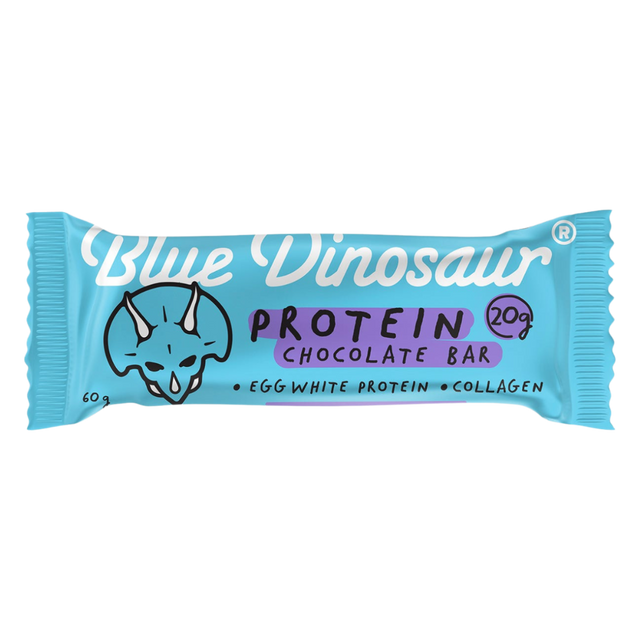
- Blue Dinosaur Protein Bar
- Clif Bar Builders Protein Bar
- Happy Way Whey Protein Quick Oats
- PURE Sports Nutrition Performance + Race Recovery
- Skratch Labs Vegan Recovery Drink - Oat Milk Latte (with caffeine)
- Fixx Nutrition Protein X
Easter Training Scenarios
Long run before brunch
-
Light carb-rich fuel 1-2 hours before training
-
Use brunch as your main recovery meal
Back-to-back training days
-
Prioritise post-session carbs + protein every time⁴,³
Family time & missed meals
-
Pack portable fuel to avoid under-fuelling
-
Plan chocolate intake post-training where it supports recovery
Easter Treats Without Compromising Performance
Chocolate can be enjoyed without compromising training when used strategically. The best timing is after harder sessions, when muscles are most receptive to carbohydrate uptake 2-4. Planning your intake in advance, rather than grazing reactively, helps support physical recovery while also allowing for the mental enjoyment that treats like chocolate bring.
The Takeaway - Train Well, Recover Better, Enjoy Easter
The key takeaway is to train well, recover effectively and still enjoy Easter. Maintaining carbohydrates, hydration and protein as the foundation of your nutrition is essential, while chocolate can be used intentionally as part of recovery. A flexible, evidence-based approach allows you to support performance throughout the Easter long weekend without missing out on the festive treats.
Easter Fuel Cheat Sheet
Before training
-
2-3 hrs pre-training→ carb-based meal + protein. Low fibre
-
Short on time→ Consume around 30g of carbs with 15g of protein
-
Hydrate→ 5-10 mL/kg fluid⁵
During training
-
<2 hrs→ ~30g carbs/hr
-
2-3 hr→ 45-60g carbs/hr
-
3 hrs→ 60-90g carbs/hr (glucose + fructose sources)
-
Sip fluids every 10-20 minutes
After training
-
Carb→: 0.6-1.2g/kg⁴,⁸
-
Protein→ 25-35g⁸
-
Chocolate milk, recovery bars, or shakes are a convenient option
Easter chocolate tip
-
Enjoy chocolate after hard sessions when muscles are primed to use carbohydrates for recovery.
Bonus Easter Recipes
Nut Butter Easter Eggs (No Bake)
Ingredients
-
½ cup o 3 servings of ROAM nut butter
-
1 cup almond meal
-
1-2 tbsp maple syrup or 1 Untapped Salted Cocoa gel
-
Pinch salt
Method
-
Mix everything until dough forms.
-
Shape into small eggs.
-
Chill to firm.
Collagen Hot Chocolate Brownie Slice
Ingredients
-
1 cup almond meal
-
2 scoops NOWAY Collagen Hot Chocolate
-
3-4 Blue Dinosaur Chocolate Brownie Energy Bites, chopped
-
¼ cup milk or water
Method
-
Preheat the oven to 180°C (350°F) and line a small baking tin.
-
In a bowl, mix almond meal and NOWAY Collagen Hot Chocolate.
-
Fold in chopped Blue Dinosaur Chocolate Brownie Energy Bites.
-
Add milk or water and stir until a thick batter forms.
-
Press mixture evenly into tin.
-
Bake for 15-20 minutes or until firm and slightly golden.
-
Cool, slice, and enjoy as a pre- or post-training snack.
Vanilla OR Chocolate Protein Overnight Oats
Ingredients
-
⅓-½ cup milk of choice (dairy, oat, almond)
-
2-3 tbsp Greek yoghurt (optional, for creaminess)
-
1 tsp chia seeds (optional - adds texture and fibre)
-
Toppings: fresh berries, banana slices, nuts, nut butter, coconut flakes
Method
-
Mix base: In a jar or bowl, combine the protein oats with milk and Greek yoghurt.
-
Stir: Add chia seeds if using; give it a good mix so everything is evenly combined.
-
Refrigerate: Cover and chill overnight (6-8 hrs).
-
Top & Enjoy: In the morning add berries, banana, a drizzle of nut butter, or whatever you like.
Ash Miller
Dietitian and Nutritionist (Masters)
Bachelor of Physical and Health Education
Instagram: @ashthomo_nutrition
References
1. Rothschild JA, Kilding AE, Plews DJ. What Should I Eat before Exercise? Pre-Exercise Nutrition and the Response to Endurance Exercise: Current Prospective and Future Directions. Nutrients. 2020 Nov 12;12(11):3473. doi: 10.3390/nu12113473. PMID: 33198277; PMCID: PMC7696145.
2. Sports Dietitians Australia, Pre-exercise fuelling, available from;https://www.sportsdietitians.com.au/wp-content/uploads/2020/07/Pre-exercise-Fuelling.pdf, accessed on 17th Feb 2025.
3. Kerksick CM, Arent S, Schoenfeld BJ, et al. International Society of Sports Nutrition position stand: Nutrient timing. J Int Soc Sports Nutr. 2017;14:33. doi:10.1186/s12970-017-0189-4
4. Beelen M, Cermak NM, van Loon LJ. Koolhydraatinname tijdens en na intensieve inspanning [Performance enhancement by carbohydrate intake during sport: effects of carbohydrates during and after high-intensity exercise]. Ned Tijdschr Geneeskd. 2015;159:A7465. Dutch. PMID: 25970669.
5. Surapongchai J, Saengsirisuwan V, Rollo I, Randell RK, Nithitsuttibuta K, Sainiyom P, Leow CHW, Lee JKW. Hydration Status, Fluid Intake, Sweat Rate, and Sweat Sodium Concentration in Recreational Tropical Native Runners. Nutrients. 2021 Apr 20;13(4):1374. doi: 10.3390/nu13041374. PMID: 33923890; PMCID: PMC8072971.
6. Judge LW, Bellar DM, Popp JK, Craig BW, Schoeff MA, Hoover DL, Fox B, Kistler BM, Al-Nawaiseh AM. Hydration to Maximize Performance and Recovery: Knowledge, Attitudes, and Behaviors Among Collegiate Track and Field Throwers. J Hum Kinet. 2021 Jul 28;79:111-122. doi: 10.2478/hukin-2021-0065. PMID: 34400991; PMCID: PMC8336541.
7. Maughan RJ, Shirreffs SM. Recovery from prolonged exercise: restoration of water and electrolyte balance. J Sports Sci. 1997 Jun;15(3):297-303. doi: 10.1080/026404197367308. PMID: 9232555.
8. Jäger, R., Kerksick, C.M., Campbell, B.I. et al. International Society of Sports Nutrition Position Stand: protein and exercise. J Int Soc Sports Nutr 14, 20 (2017). https://doi.org/10.1186/s12970-017-0177-8
9. Michaela C. Devries, Mazen J. Hamadeh, Stuart M. Phillips, and Mark A. Tarnopolsky. Menstrual cycle phase and sex influence muscle glycogen utilization and glucose turnover during moderate- intensity endurance exercise. 291, R1120-1128 (2006).
Disclaimer:
The content in this blog is for general information only and is not a substitute for professional medical advice, diagnosis, or treatment. Always speak with your doctor or allied health team before changing your diet, exercise, or taking supplements, especially if you have a health condition or take medication. Please use this information as a guide only. Aid Station doesn't take responsibility for individual outcomes.